
Investors are increasingly turning to global tariffs as a lens through which to navigate the ever-evolving crypto landscape. Understanding tariff impacts on various economies can empower investors to make informed decisions, especially in the current volatile market conditions.
The Importance of Global Tariffs Crypto for Investors
Global tariffs play a critical role in shaping the crypto market. When countries alter tariff policies, the ripple effects can change supply chains and impact investor sentiment significantly. For instance, when the U.S. imposed new tariffs, it not only affected traditional markets but also created volatility in the crypto sphere as investors recalibrated their strategies. As noted by recent reports, such changes can lead to decreased investor confidence, directly influencing trading behavior and market stability.
Additionally, tariffs can shift trading strategies significantly. Investors might pivot towards cryptocurrencies as a hedge against inflationary pressures or economic uncertainty brought on by tariffs. This shift is evident as many are exploring stablecoins, which offer less volatility than their more traditional counterparts. Recent developments underscore the urgency for investors to remain adaptable and informed regarding tariff changes, as these can directly influence trading volumes and asset values.
Current Market Dynamics and Tariff Effects
The crypto market is in constant flux, and recent tariff announcements have shown a tangible impact. For example, trading volumes surged by over 25% following tariff announcements in 2023, indicating that investors react swiftly to economic news. Such fluctuations underline the importance of monitoring tariff developments as a key indicator of potential gains or losses.
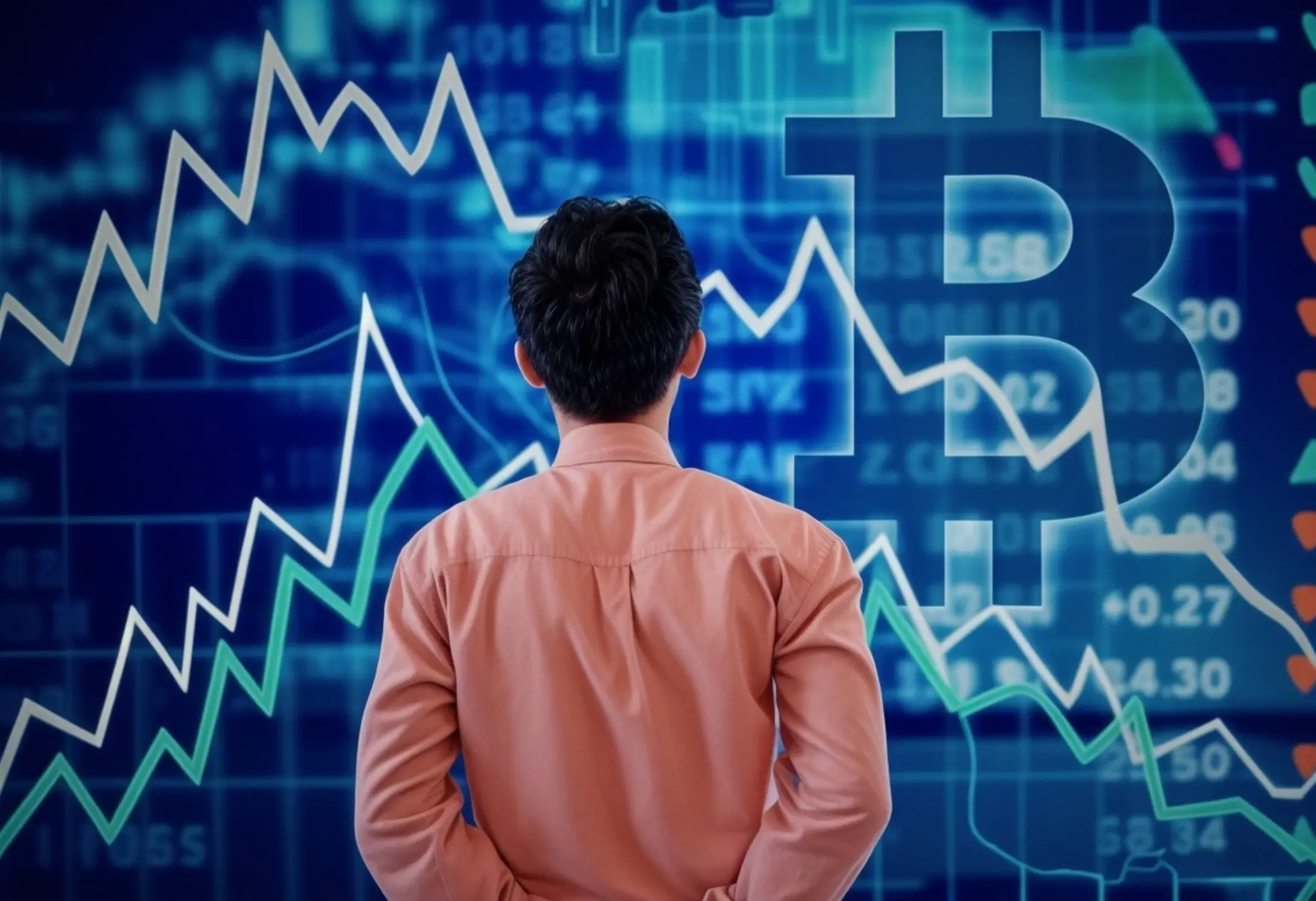
Specific cryptocurrencies have also been disproportionately affected by tariff changes. Bitcoin, often seen as a safe haven, experienced both spikes and drops correlating with global tariff discussions. As stated in various analyses, the reaction of Bitcoin to tariff decisions could signify underlying market sentiments and expectations regarding the U.S. economy’s health and its impact on crypto valuations, according to insights from Binance.
U.S. Economy’s Role in Crypto Trading Decisions
The U.S. economy remains a cornerstone in global finance, and its policies often dictate trends in international crypto markets. When the U.S. adjusts its tariff policies, the ramifications are felt worldwide, affecting the strategies of international investors. Tariffs can distort trade relationships, leading to increased costs for crypto mining operations or reduced access to certain technologies necessary for blockchain advancements.
Market analysts have noted that tariffs can lead to a chain reaction, influencing everything from miner profitability to investor confidence in the U.S. dollar’s strength. This complex interplay means that understanding U.S. economic trends is vital for global crypto traders. Experts emphasize monitoring economic indicators, as shifts in the U.S. tariff landscape might signal significant changes in the investment climate for cryptocurrencies.
Understanding the Crypto Impact of Tariffs on Investments
Tariffs can create both risks and opportunities within the crypto landscape. In the short term, unexpected tariff changes could trigger price volatility, leading investors to adapt their portfolios quickly. Long-term consequences may be more nuanced, as tariffs may push innovation or drive consolidation within the industry.
Investors must remain vigilant about the potential risks associated with tariffs, such as cross-border trade complications. However, adaptability can also yield opportunities. For instance, as traditional markets react negatively to tariffs, cryptocurrencies may present themselves as more stable investment avenues. Several case studies illustrate how swift reactions to tariff announcements can result in successful strategic pivots, allowing investors to capitalize on market inefficiencies.

Analyzing Investor Behavior in Response to Tariff News
Investor behavior has demonstrated an increasing sensitivity to tariff news. Surveys indicate that a significant portion of traders adjusts their strategies based on tariffs. Many are moving towards a more diversified portfolio, incorporating stable assets and cryptocurrencies that tend to sustain value during economic downturns.
Data supports the notion that tariff impacts can shift buying and selling patterns dramatically. Investors are now more likely to research tariff news before making transactions, suggesting that tariffs have become a critical indicator in their decision-making processes. Key indicators to watch include possible tariff announcements, trade agreements, and shifts in economic policy.
Strategies for Investors in a Tariff-Driven Crypto Landscape
To navigate the complexities of a tariff-driven crypto landscape, investors can employ several practical strategies. First, focusing on portfolio diversification can mitigate risks associated with unexpected tariff changes. This involves balancing crypto investments with other asset types, such as commodities or equities, particularly those insulated from tariff fluctuations.
Staying informed is paramount. Investors may benefit from using tools such as market analysis platforms or economic forecasting services to keep track of current tariff developments. By proactively analyzing tariff impacts and adjusting strategies accordingly, investors can enhance their chances of success in a volatile market.
Future Considerations for Global Tariffs and Crypto
Looking ahead, potential trends in tariffs suggest a continued volatility in crypto markets. Regulatory changes could either alleviate or exacerbate these conditions, making proactive research critical for investors. The evolving landscape of global trade relations suggests that tariffs will remain a dynamic element influencing investor behavior and market movements.
Moreover, as regulations shift, the crypto market could see increased institutional involvement, further complicating the interplay of tariffs and crypto investments. Continuous learning and adaptability will be essential for investors hopeful to succeed in a chaotic economic environment. Staying abreast of global tariff trends not only facilitates informed investment choices but also positions investors strategically for forthcoming shifts in the crypto landscape.